

What is the vapor temperature of jnr vape?
Aug 11, 2026
Leave a message
Vaping has become a popular alternative to traditional smoking in recent years, offering a range of flavors and experiences. As a supplier of JNR Vape products, I often receive questions about various aspects of vaping, including the vapor temperature of JNR Vape devices. In this blog post, I'll delve into the topic of vapor temperature, how it affects the vaping experience, and what to expect with JNR Vape products.
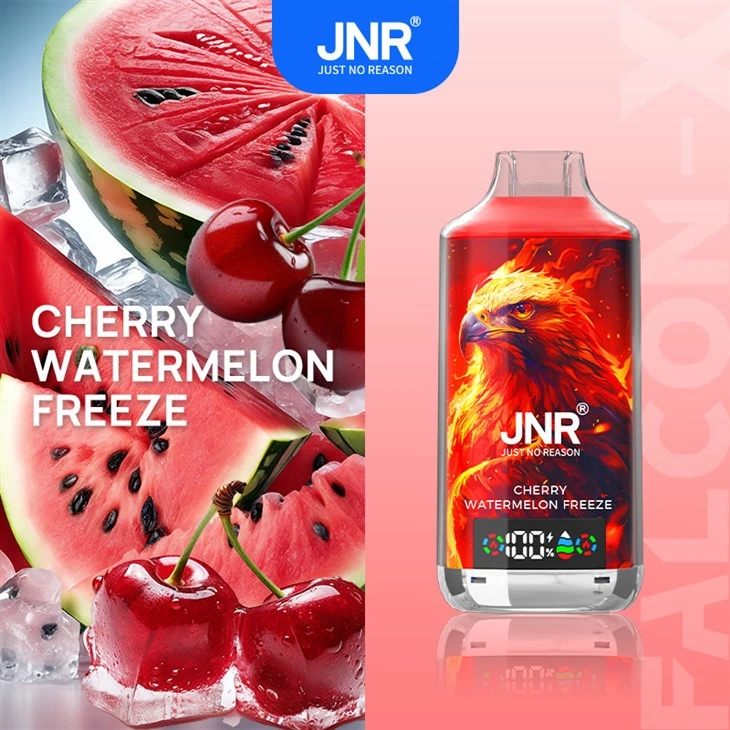

Understanding Vapor Temperature
Vapor temperature plays a crucial role in the overall vaping experience. It can impact the flavor, throat hit, and the amount of vapor produced. When e - liquid is heated, it turns into vapor. The temperature at which this occurs can vary depending on several factors, such as the device's power output, the coil resistance, and the composition of the e - liquid.
A lower vapor temperature generally results in a smoother, cooler vape. This can be ideal for those who prefer a more subtle flavor profile and a less intense throat hit. On the other hand, a higher vapor temperature can produce a stronger throat hit and more intense flavor, but it may also cause the vapor to feel harsher.
Factors Affecting Vapor Temperature in JNR Vape
Device Power Output
The power output of a JNR Vape device is one of the primary factors influencing vapor temperature. Most JNR Vape disposable devices, such as the JNR Vape Falcon 18000 Puffs and the JNR Vape Alien 10000 Puffs, are designed to operate at a specific power level. This pre - set power ensures a consistent vaping experience. Higher power settings will generally lead to a higher vapor temperature, as more energy is being used to heat the e - liquid.
Coil Resistance
The coil inside a JNR Vape device also affects vapor temperature. Coils with lower resistance heat up more quickly and can reach higher temperatures. JNR Vape devices are engineered with high - quality coils that are optimized to provide a balanced vaping experience. For example, the JNR Falcon Pro Vape 28000 Puffs is equipped with a coil that is designed to heat the e - liquid efficiently, resulting in a satisfying vapor temperature.
E - Liquid Composition
The composition of the e - liquid used in JNR Vape devices can also impact vapor temperature. E - liquids with a higher percentage of vegetable glycerin (VG) tend to produce more vapor and may require a slightly higher temperature to vaporize effectively. Propylene glycol (PG), on the other hand, vaporizes at a lower temperature and can contribute to a cooler vape. JNR Vape e - liquids are carefully formulated to provide a balanced blend of VG and PG, ensuring an optimal vapor temperature and flavor.
Typical Vapor Temperature Range of JNR Vape
JNR Vape devices are designed to provide a comfortable and consistent vaping experience. The typical vapor temperature of JNR Vape products ranges from around 350°F to 450°F (177°C to 232°C). This temperature range is carefully calibrated to deliver a satisfying flavor, a smooth throat hit, and a good amount of vapor.
At the lower end of the range (around 350°F or 177°C), the vapor will be cooler and smoother. This is great for those who are new to vaping or prefer a more mellow experience. As the temperature approaches 450°F (232°C), the flavor becomes more intense, and the throat hit is stronger.
Impact of Vapor Temperature on Flavor and Vapor Production
Flavor
The vapor temperature can significantly affect the flavor of the e - liquid. At lower temperatures, some of the more delicate flavor notes may be more prominent. As the temperature increases, the flavor becomes more concentrated and intense. For example, a fruit - flavored JNR Vape e - liquid may taste more like fresh fruit at a lower temperature, while at a higher temperature, the flavor may become more like a cooked or candied fruit.
Vapor Production
Higher vapor temperatures generally result in more vapor production. This is because the e - liquid is being heated more vigorously, causing more of it to turn into vapor. However, it's important to note that too high a temperature can also cause the e - liquid to burn, which can produce a harsh, unpleasant taste. JNR Vape devices are designed to find the right balance between vapor production and flavor, ensuring a satisfying vaping experience.
Maintaining the Optimal Vapor Temperature
To ensure that you are getting the best possible vaping experience with JNR Vape products, it's important to use the devices as intended. Here are some tips for maintaining the optimal vapor temperature:
- Use the device as recommended: Follow the instructions provided with your JNR Vape device. These instructions are designed to help you get the most out of your device and ensure a consistent vapor temperature.
- Avoid chain - vaping: Chain - vaping, or taking multiple puffs in quick succession, can cause the coil to overheat. This can lead to a higher vapor temperature and a burnt taste. Give your device a short break between puffs to allow the coil to cool down.
- Store your device properly: Extreme temperatures can affect the performance of your JNR Vape device. Store your device in a cool, dry place away from direct sunlight and heat sources.
Conclusion
The vapor temperature of JNR Vape devices is an important factor that can greatly impact the vaping experience. With a typical temperature range of 350°F to 450°F (177°C to 232°C), JNR Vape products are designed to provide a balanced combination of flavor, throat hit, and vapor production. Whether you prefer a cooler, smoother vape or a more intense flavor and throat hit, JNR Vape has a product to suit your needs.
If you're interested in purchasing JNR Vape products for your business, we invite you to contact us for more information and to discuss your procurement needs. We're committed to providing high - quality vaping products and excellent customer service.
References
- "The Science of Vaping: Understanding Vapor Production and Temperature." Journal of Vaping Research.
- "Factors Affecting Vapor Quality in Electronic Cigarettes." International Journal of Environmental Research and Public Health.
Send Inquiry